Back pain, pelvic pain and SPD in pregnancy: what really helps
Pelvic girdle pain affects around 1 in 5 pregnant women, and back pain far more. Here's how to move, sleep and get support so it doesn't run your day.
This guide links to products we think help. If you buy through them we may earn a commission, at no extra cost to you. How we make money.
"My back is killing me" might be the most-typed sentence in pregnancy forums. Back pain, pelvic girdle pain (often called SPD), sciatica and rib pain together came up more than almost any other physical complaint in the threads we read, and the replies were full of practical advice.
Why it hurts
Pregnancy hormones, especially relaxin, soften the ligaments that hold your pelvis together so your baby can be born. At the same time your bump shifts your centre of gravity forward, so your lower back curves more to compensate. The result is aching muscles, joints that move more than they should, and sometimes a trapped sciatic nerve sending pain down one leg.
Pelvic girdle pain (PGP) affects around 1 in 5 pregnant women. It can feel like pain over the pubic bone, across the lower back, in the hips or between your legs, and it's often worse when you walk, climb stairs, turn over in bed or stand on one leg.
Get a physio on your side
This was the strongest recommendation from mums with PGP: see a women's health physiotherapist early. In many areas of England you can refer yourself without seeing your GP first. They can check your pelvis, give you exercises and tell you which support garments suit you.
Small changes that add up
- Keep your knees together when you get in and out of the car or bed, and when you roll over.
- Sit down to get dressed so you're not balancing on one leg.
- Take smaller steps and go up stairs one at a time if you need to.
- Avoid heavy lifting, and carry shopping evenly in both hands.
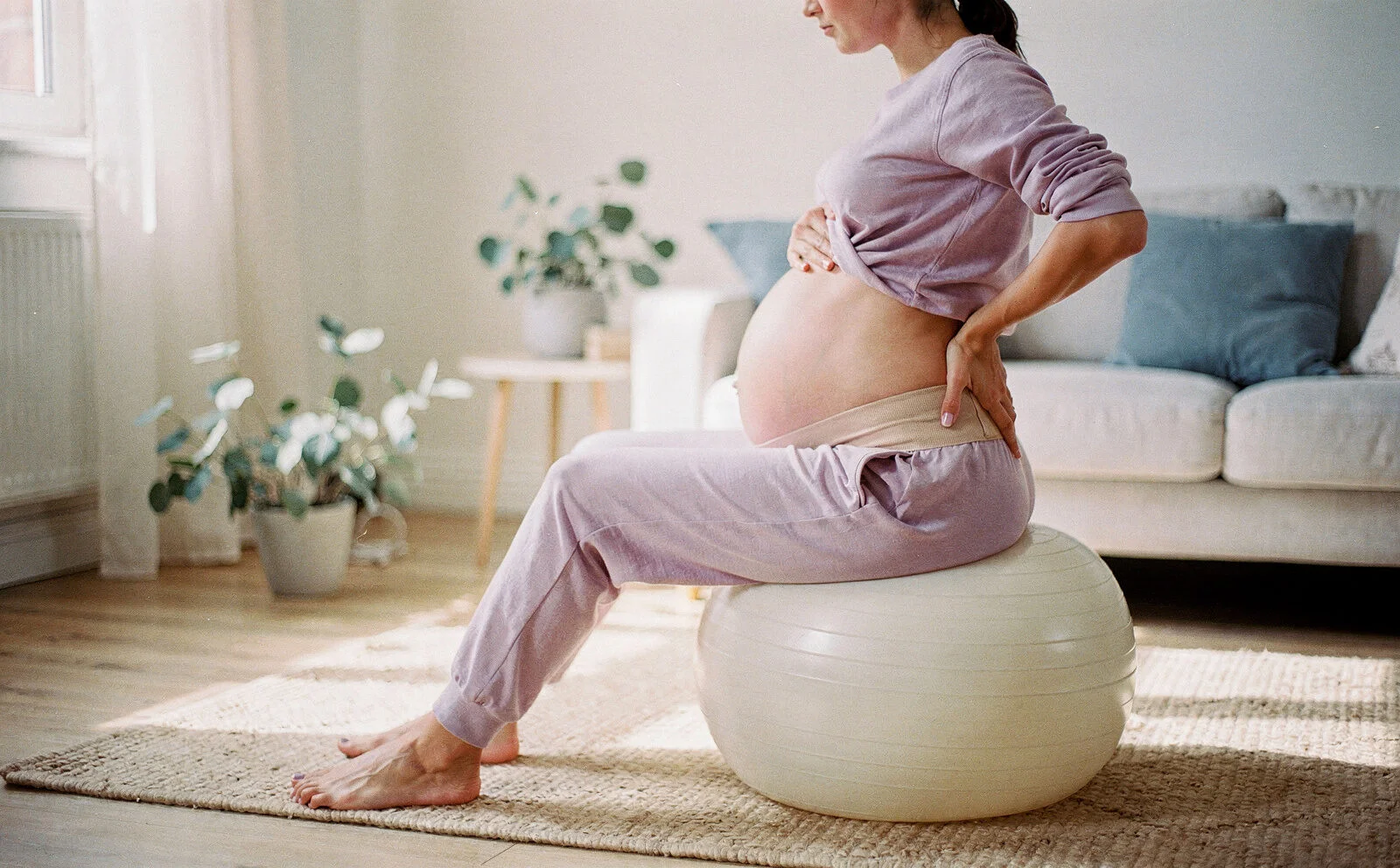
- Keep moving gently. Swimming, pregnancy yoga and rocking on a birthing ball came up again and again as the things that eased pain.
- Use heat on your lower back (a warm, not hot, water bottle or heat pad), never directly on your bump.
Should you wear a support belt?
Many mums found a maternity support belt or bump band made a real difference, especially those still working on their feet or chasing a toddler. A belt lifts some of the weight of your bump off your lower back and gently stabilises the pelvis. Wear it for activity rather than all day, and ask your physio which type suits your pain. An SI belt or pelvic support shorts sit lower and work on the pelvis itself, which can suit pelvic girdle pain.
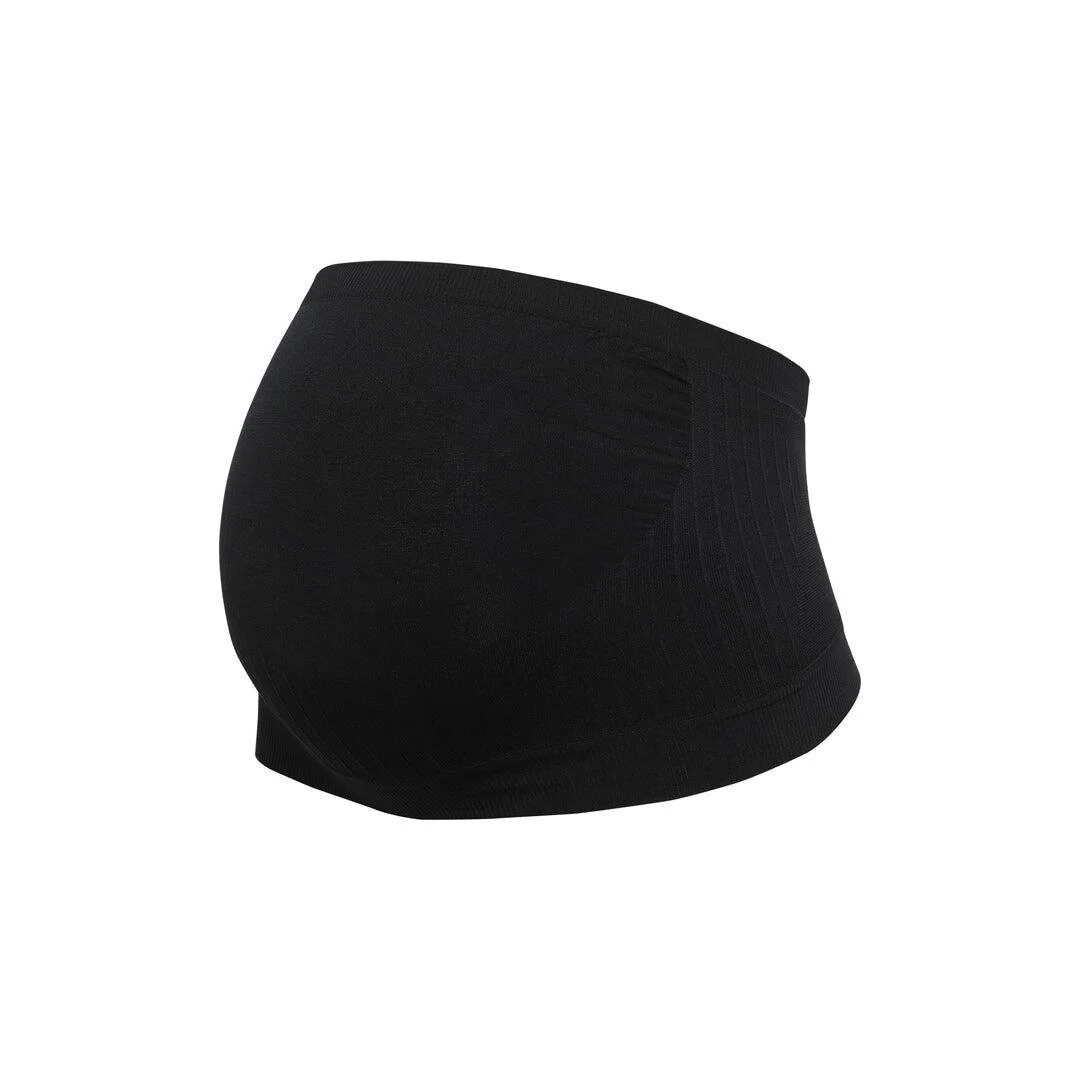 CarriwellMaternity Support Band£12.51 at Natural Baby Shower
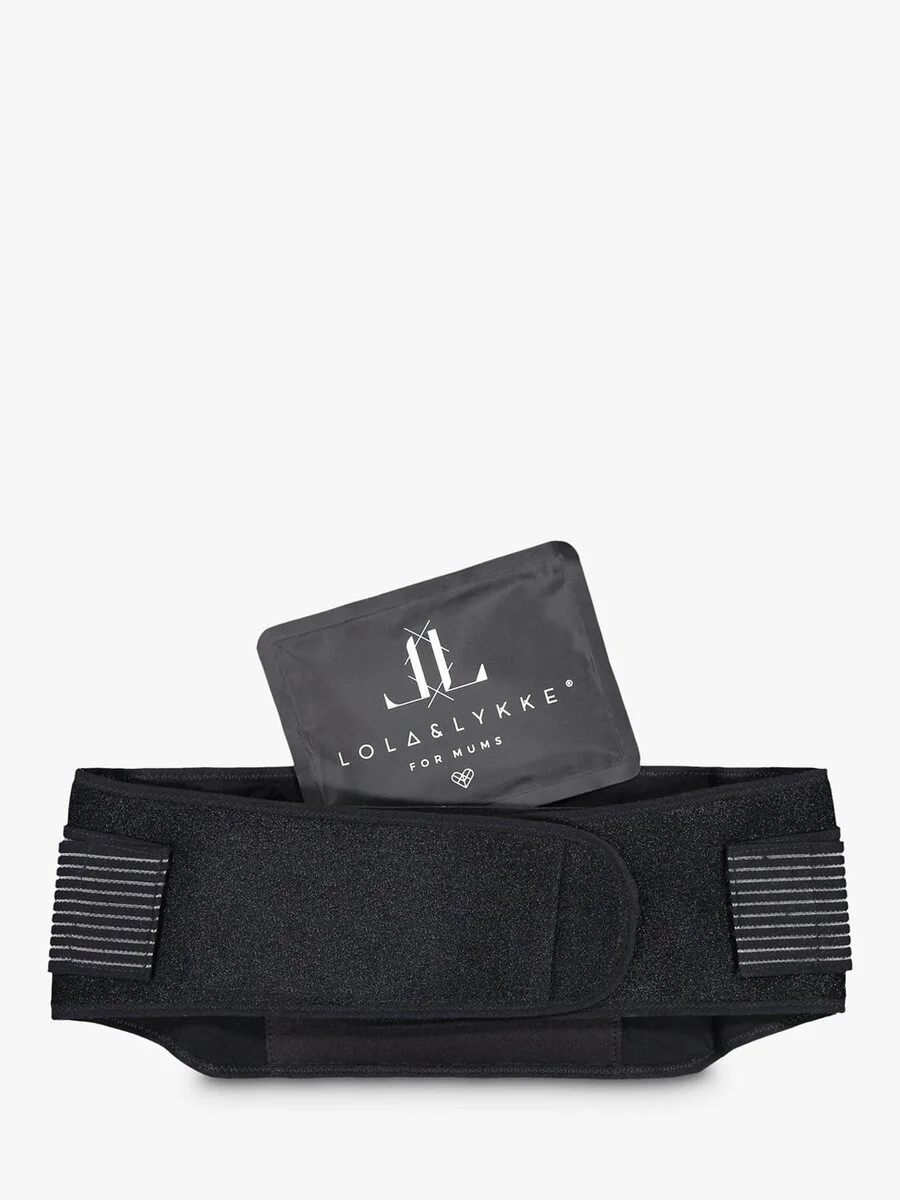 Lola&LykkePregnancy Support Belt£95.00 at Lola&Lykke
 MomcozyBumpEase Ergonest Maternity Belly Band£59.99 at Momcozy UK
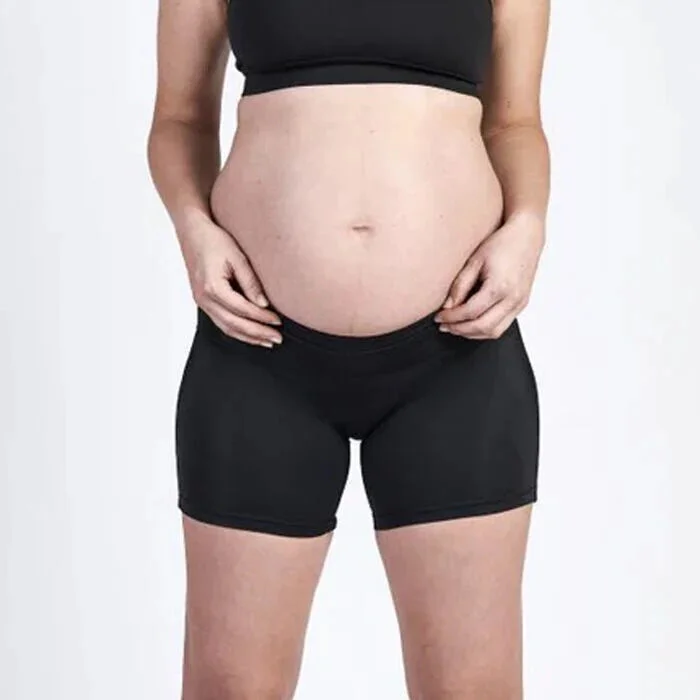 SRC HealthPregnancy Mini Shorts£99.99 at Kegel8
 Shop the editBump & back support6 products, chosen for back pain, pelvic & hip pain, sciatica
Sleep that doesn't hurt
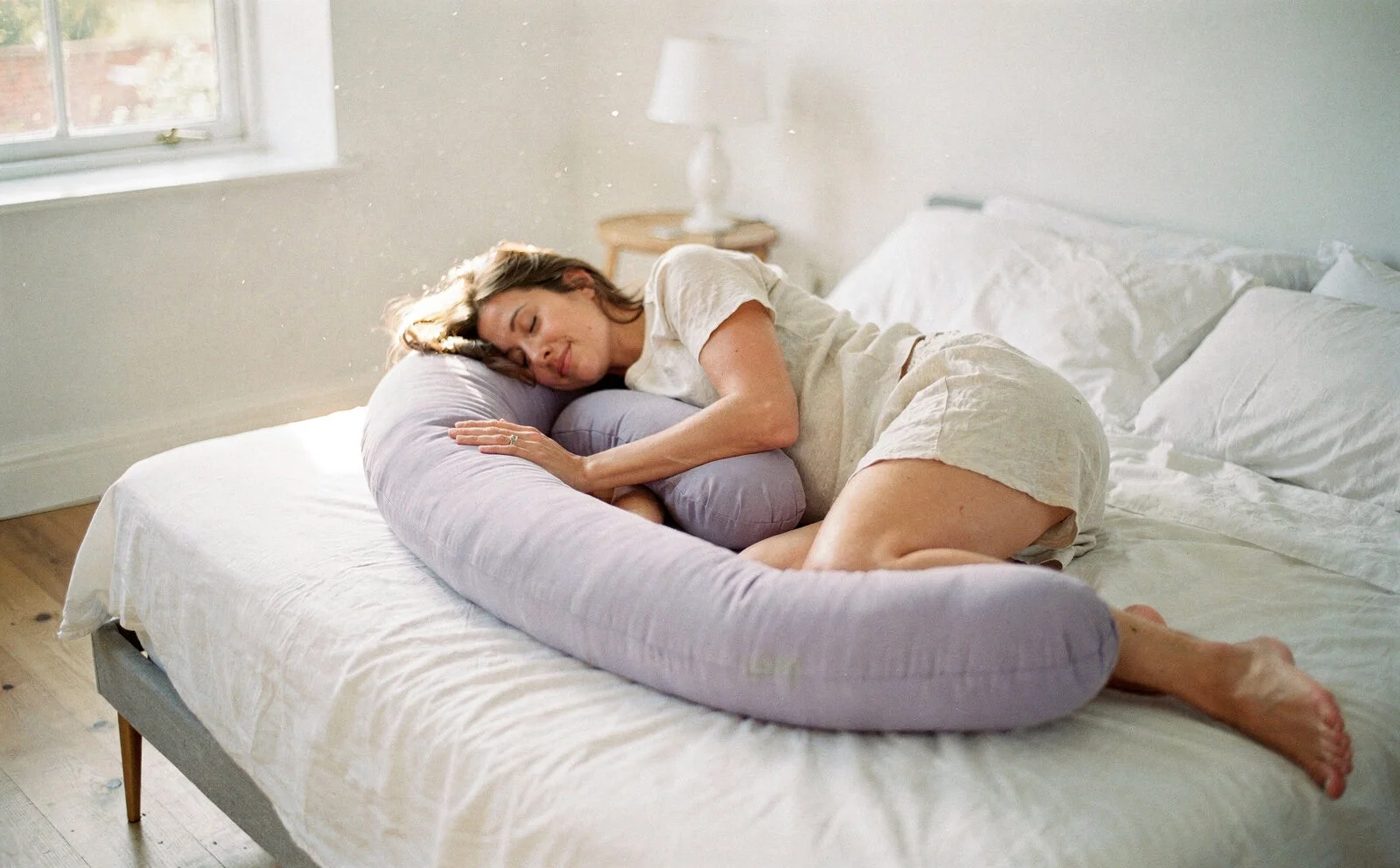
Turning over at night can be the worst moment for PGP. A pillow between your knees keeps your pelvis level, and a full-body pregnancy pillow means you don't have to rebuild your support each time you move. Some mums put a silky pillowcase or sheet under their hips so it's easier to slide over.
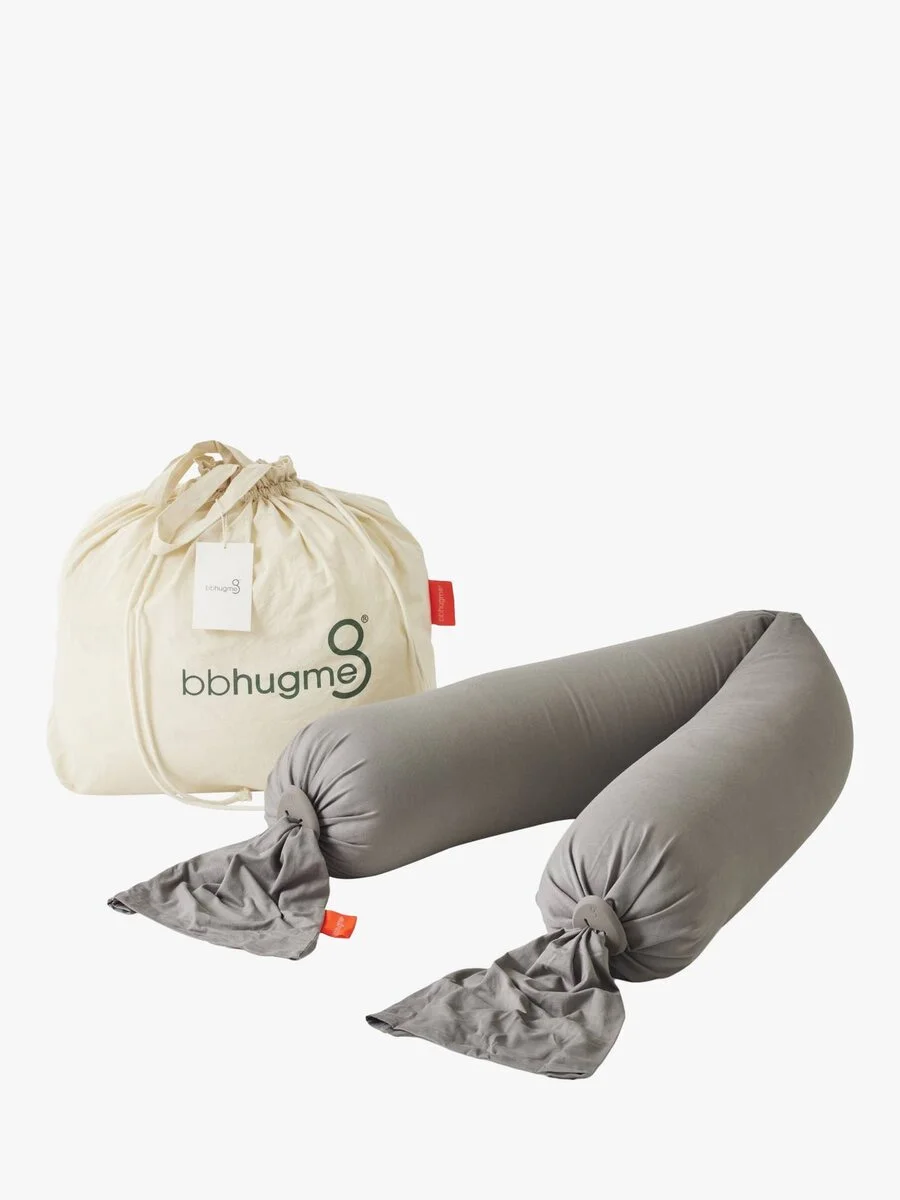
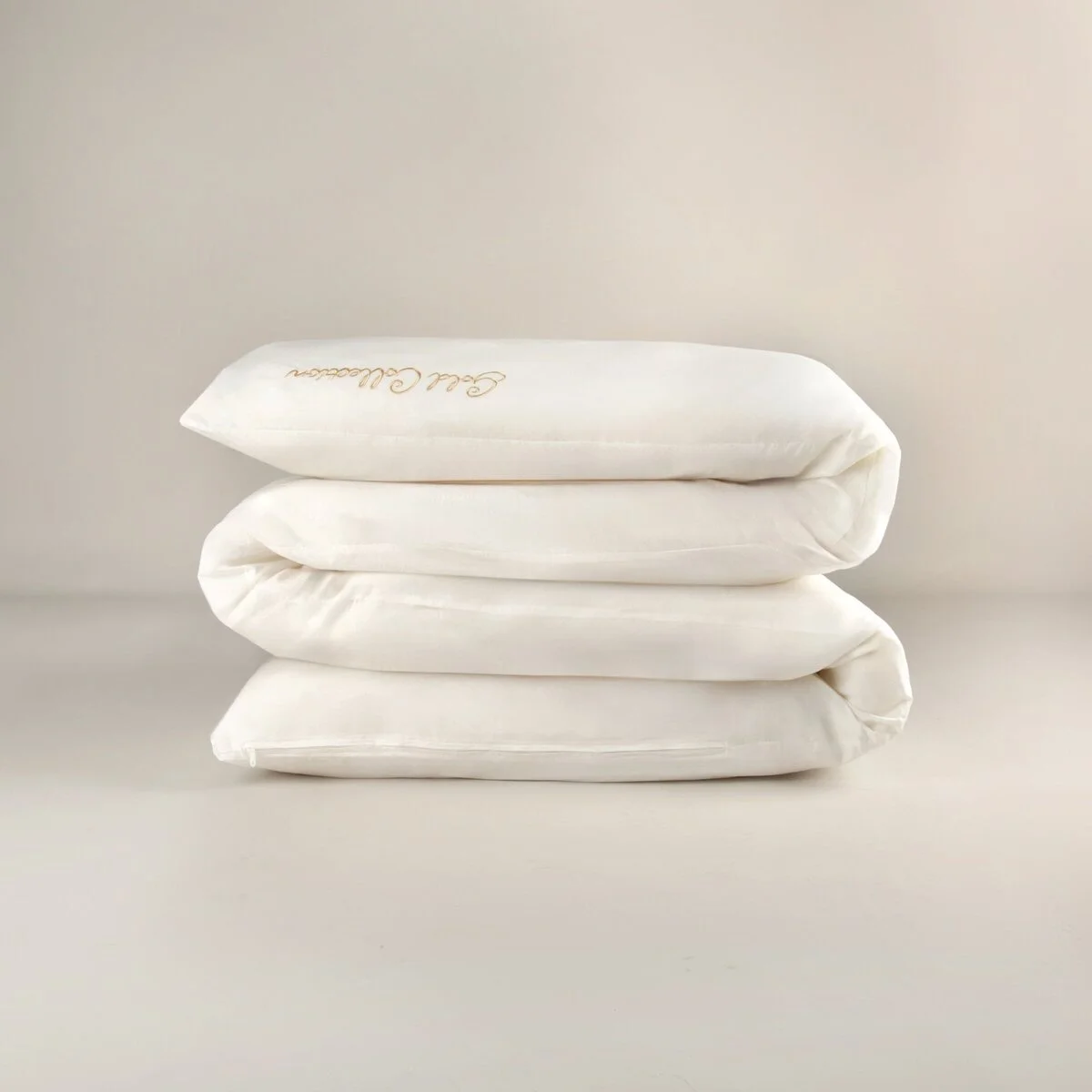
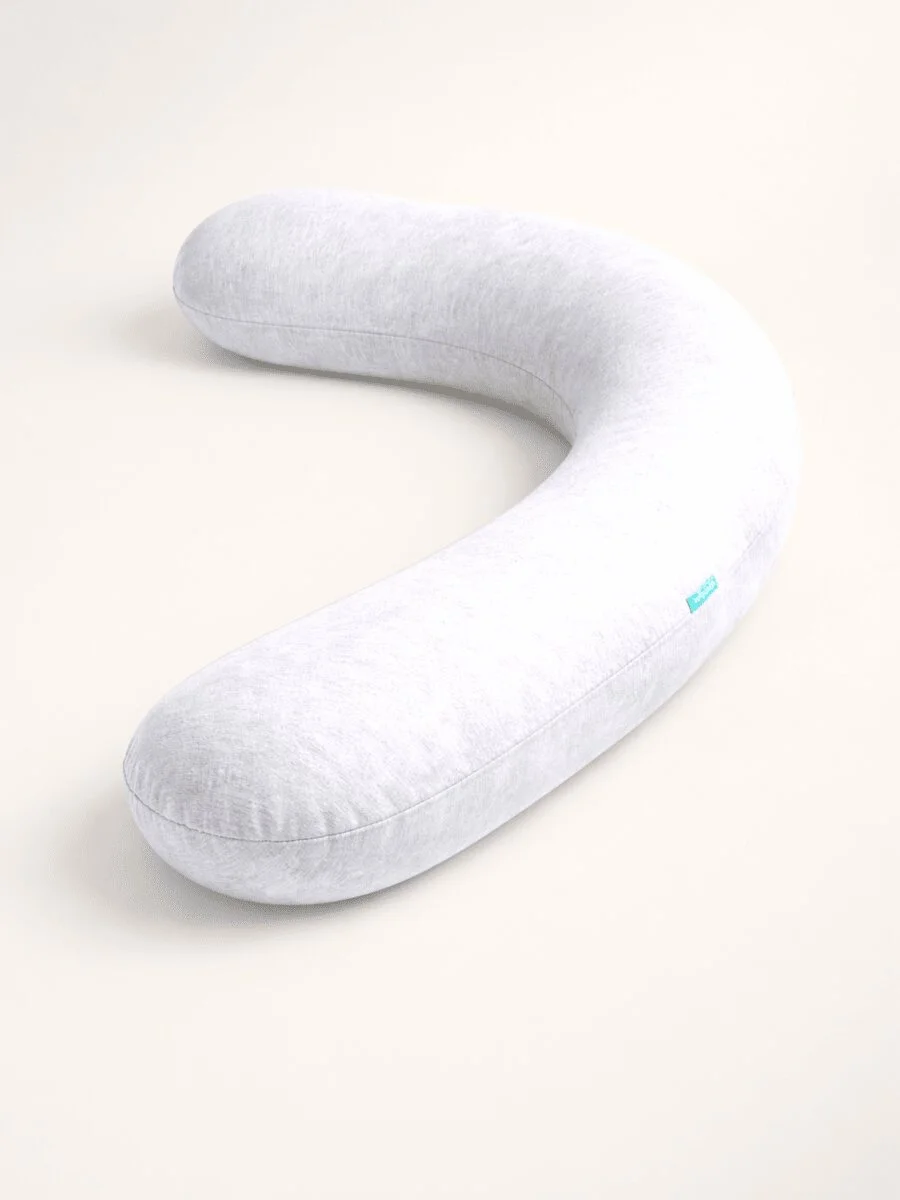 Shop the editPregnancy pillows6 products, chosen for sleep, back pain, pelvic & hip pain
What about sciatica and rib pain?
Sciatica is a shooting or burning pain from your bottom down the back of one leg. Gentle stretches, warmth, swimming and a physio or chiropractor experienced with pregnancy were what mums said helped most.
Rib pain usually arrives in the third trimester as your baby runs out of room. Sitting up straight, stretching your arm above your head on the sore side and sleeping propped up can give your ribs some space.
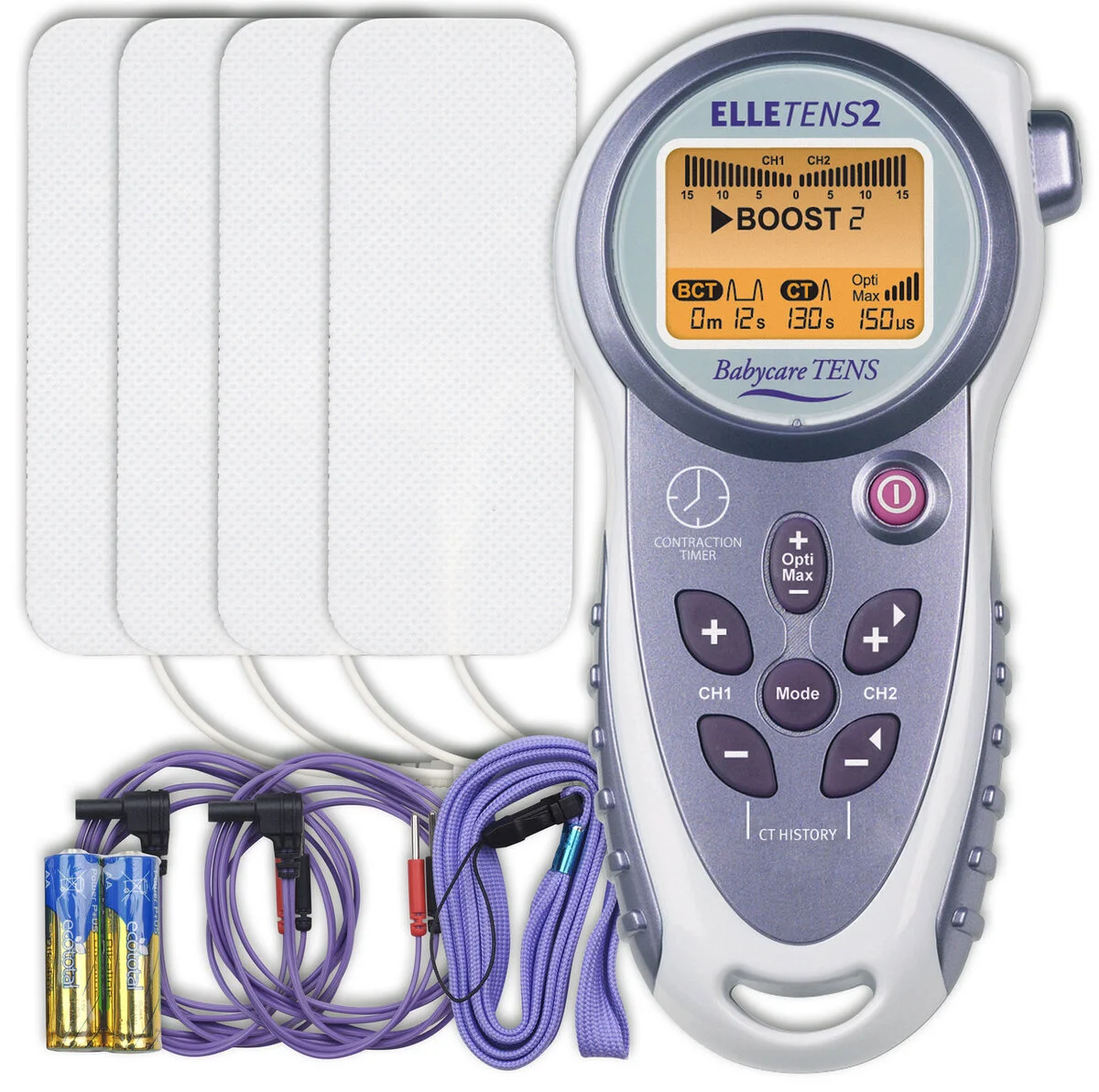
What about TENS?
TENS machines send gentle electrical pulses through pads on your back and are popular for early labour. Maternity TENS units are designed for labour, so check with your midwife before using one earlier in pregnancy.