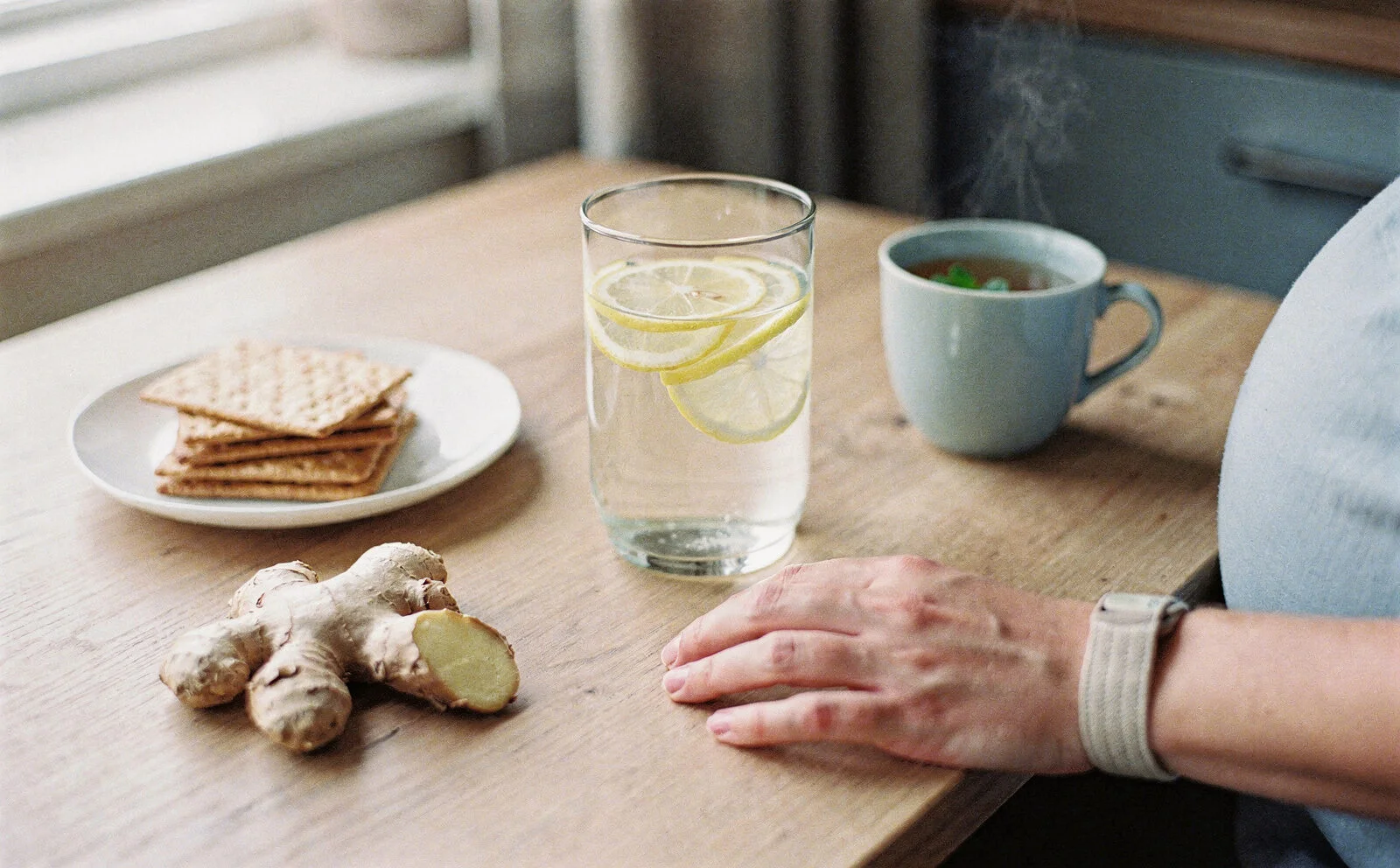
Sore, cracked nipples: a gentle guide to the first weeks of breastfeeding
"Breastfeeding was more painful than birth" is something we read again and again. Why it hurts, how to fix the latch, and what soothes sore nipples while you heal.

This guide links to products we think help. If you buy through them we may earn a commission, at no extra cost to you. How we make money.
Nobody tells you breastfeeding can hurt. Sore and cracked nipples came up as often as anything else in the new-parent threads we read, from a mum two days postpartum asking how to keep going with bleeding nipples to dozens of others saying feeding was the hardest part of the early weeks.
The reassuring part is that most soreness has a cause that can be fixed, and the first couple of weeks are usually the worst.
Why it hurts
Some tenderness in the first days is common while your nipples get used to feeding. Pain that lasts through the whole feed, makes you curl your toes, or leaves your nipple squashed, white or cracked is usually a sign that baby isn't latched deeply enough.
Get the latch checked early
This is the single most important step. Ask your midwife, health visitor or a breastfeeding counsellor to watch a whole feed. You can also call the National Breastfeeding Helpline on 0300 100 0212, every day from 9:30am to 9:30pm. Signs of a good latch:
- Baby's mouth is wide open, with more of the darker skin visible above their top lip than below.
- Their chin is pressed into your breast and their nose is clear.
- Their cheeks stay rounded, not sucked in, and you hear swallowing.
- It may feel strong, but it shouldn't keep hurting after the first few sucks.
A tongue-tie can also cause a painful latch. If you're worried, ask for baby to be checked.
Positioning
A good position makes a good latch easier. Bring baby to your breast rather than leaning over them, with their nose level with your nipple. A nursing pillow takes baby's weight so your arms and shoulders can relax, and helps you get the height right every time, which matters even more if you're recovering from a caesarean.
Soothing sore nipples
- Air dry. After a feed, rub a little breast milk on your nipples and let them dry before you dress.
- Use a nipple balm. Pure lanolin or a plant-based balm keeps the skin supple so cracks can heal. The ones we stock don't need wiping off before a feed.
- Try cooling gel pads. Hydrogel pads kept in the fridge soothe hot, cracked skin between feeds.
- Silver nursing cups were a favourite in the forums. These small silver caps sit over your nipple inside your bra, protecting it from rubbing.
- Change breast pads often, so damp pads don't make skin soggy. Washable bamboo pads are softer and kinder to the planet.
- Start on the less sore side, so baby's strongest sucks are on the side that hurts less.
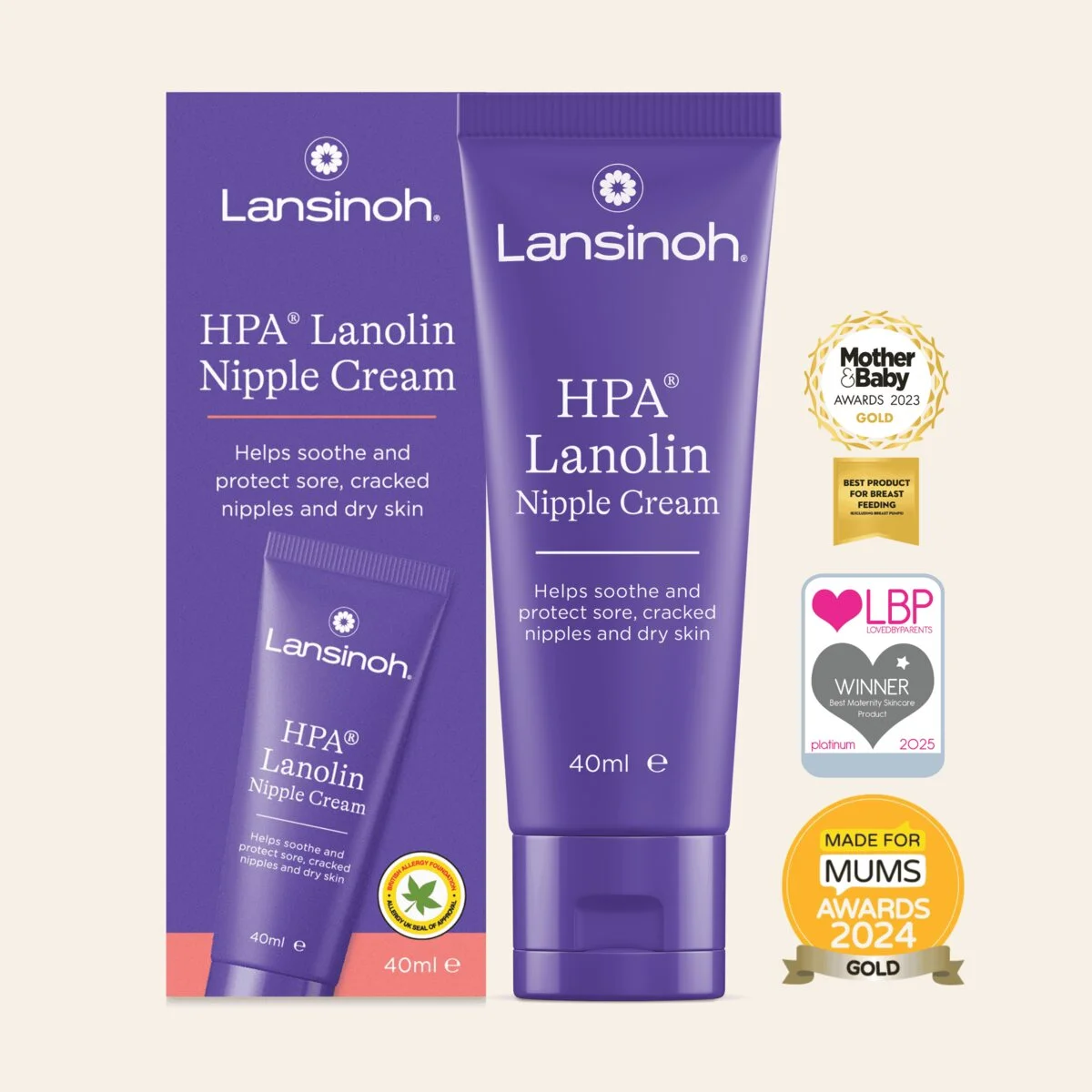 LansinohHPA Lanolin Nipple Cream£11.99 at Lansinoh
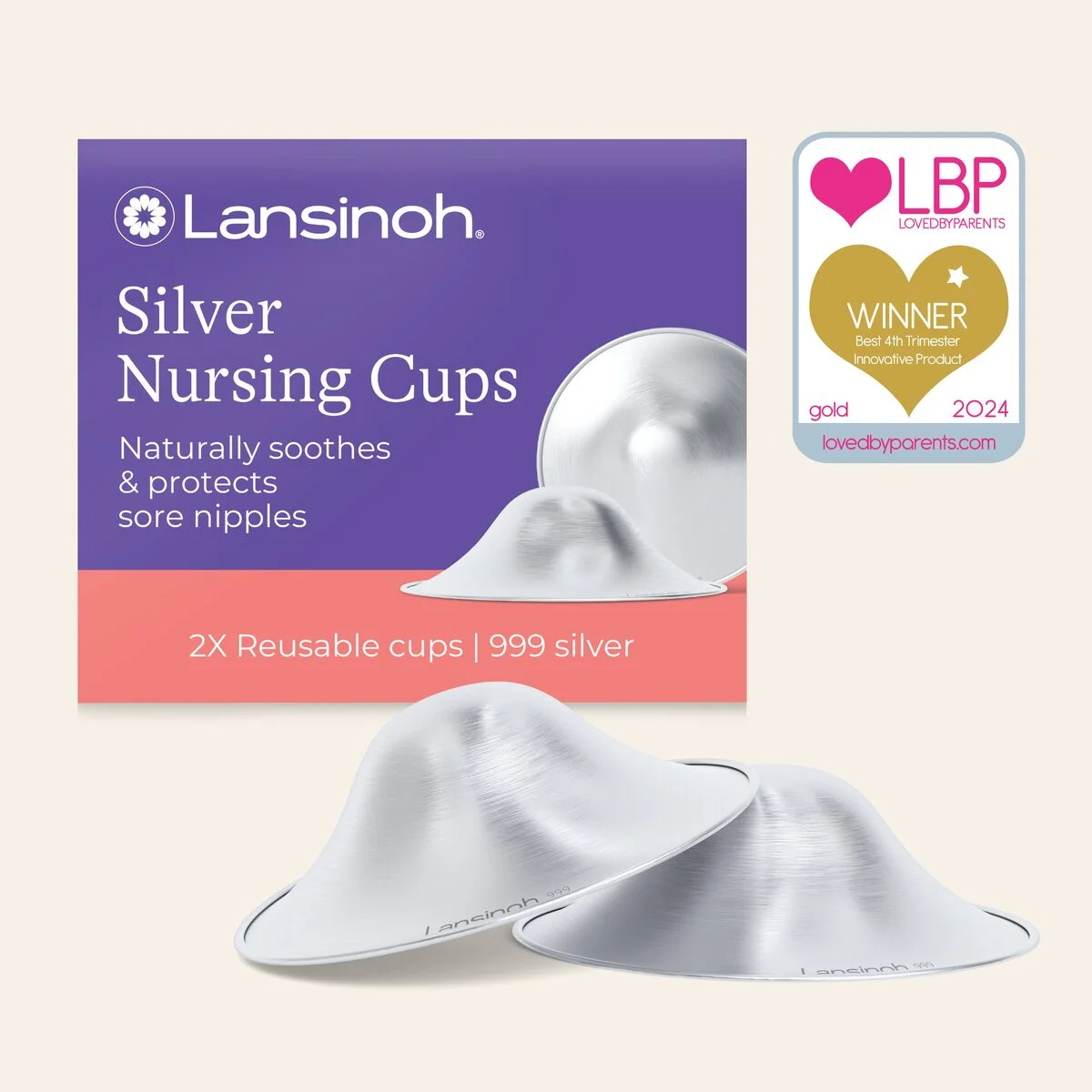 LansinohSilver Nipple Cups£44.99 at Lansinoh
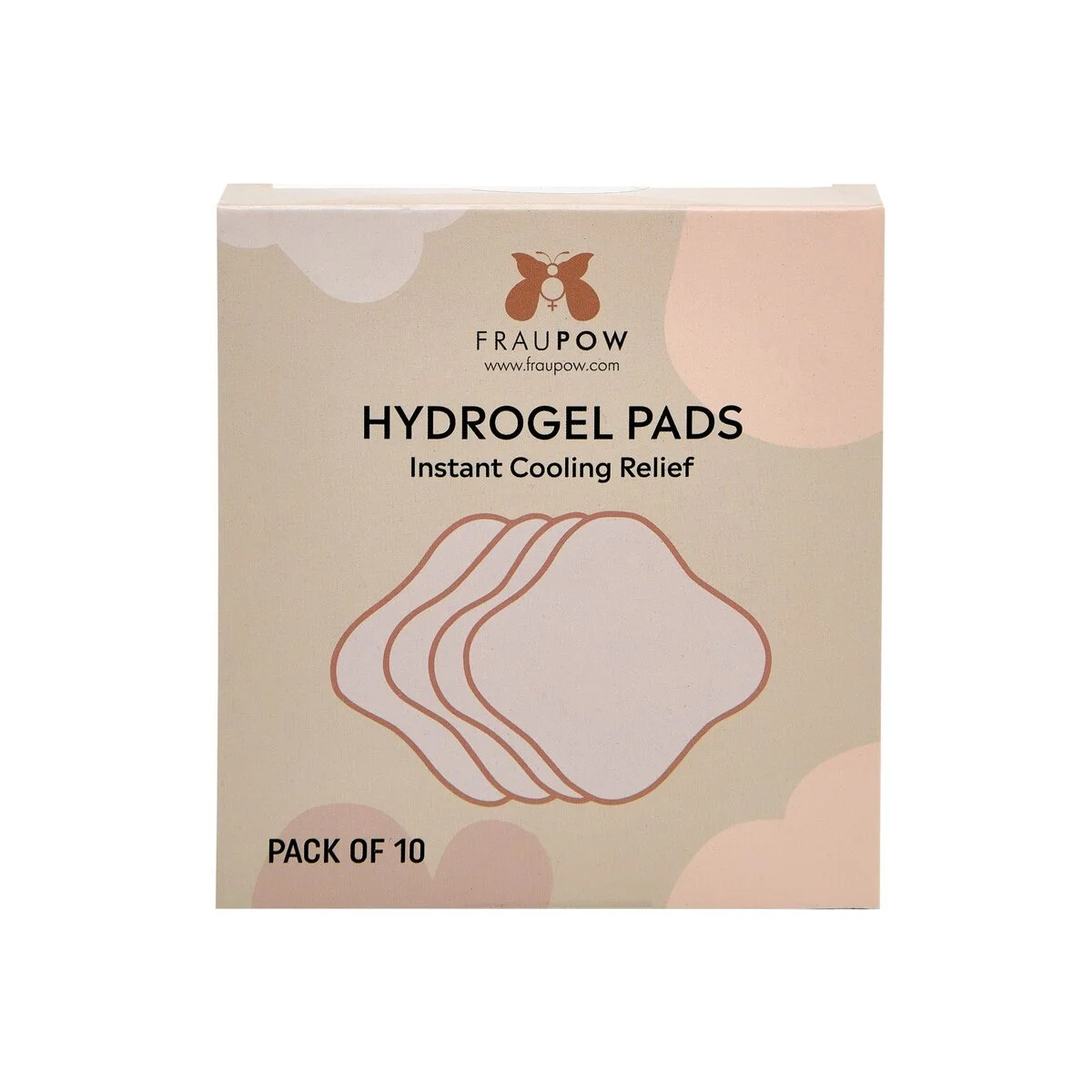 FraupowHydrogel Breast Pads for Sore Nipples (Pack of 10)£12.99 at Fraupow
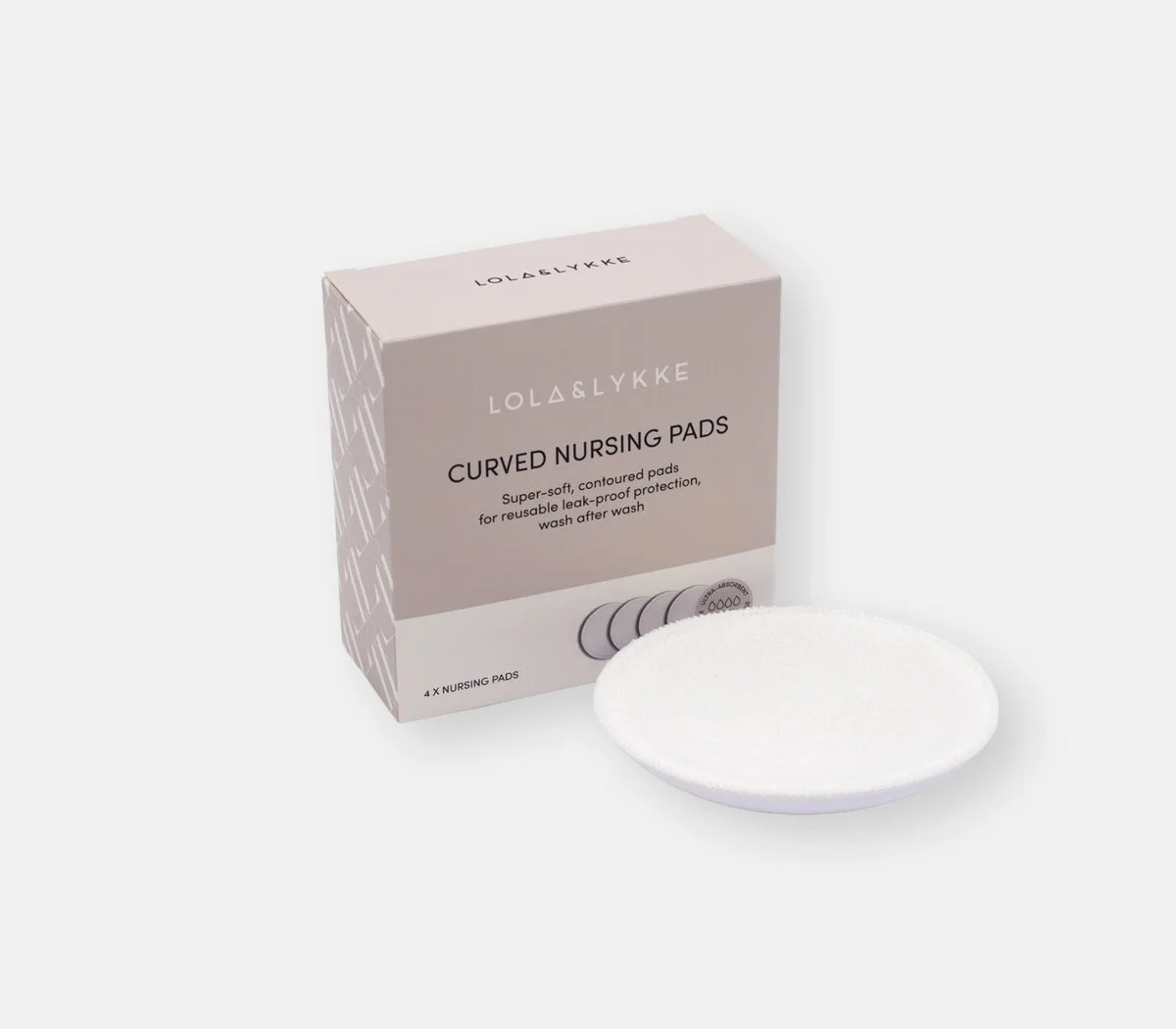 Lola&LykkeReusable Bamboo Nursing Pads (4 Pack)£19.00 at Lola&Lykke
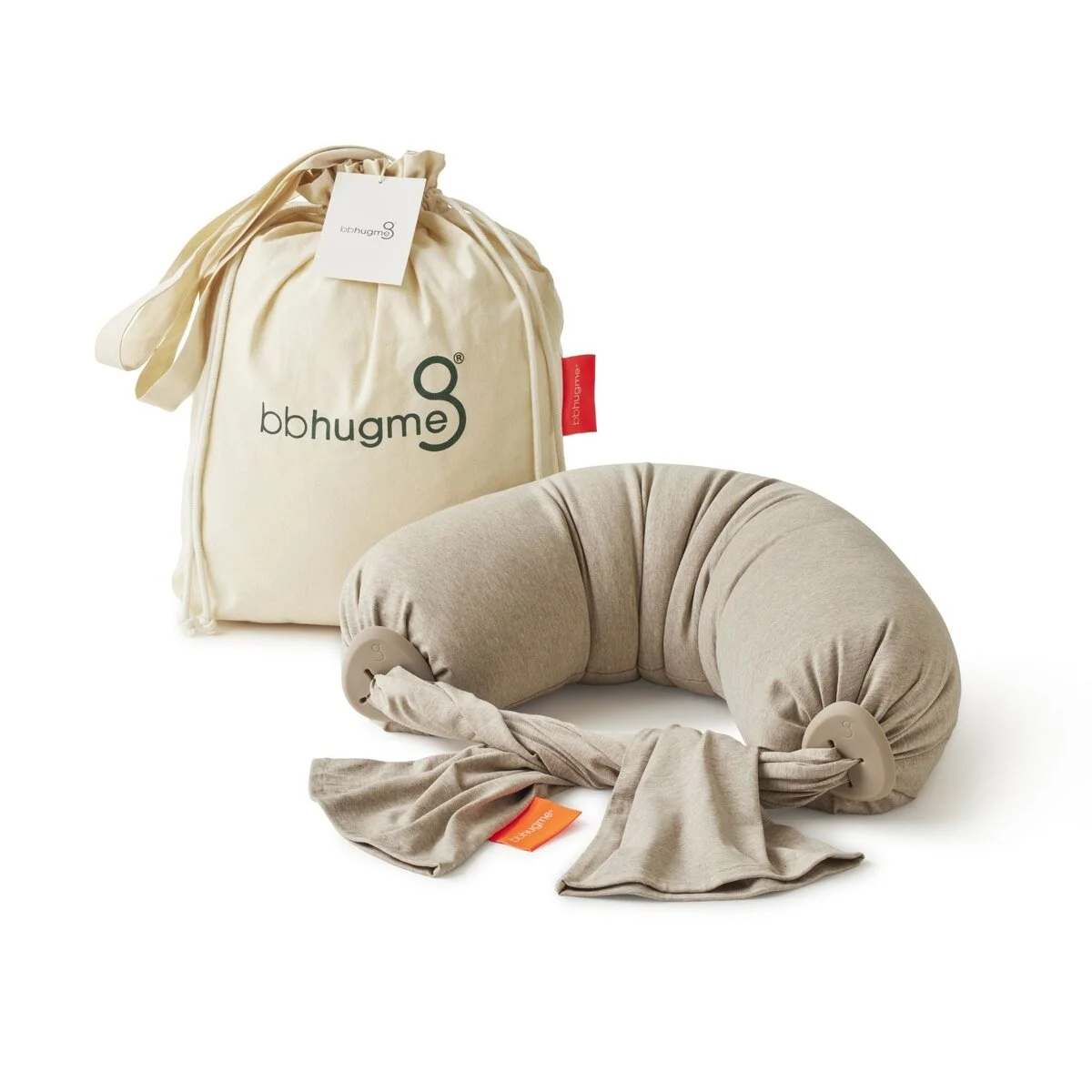
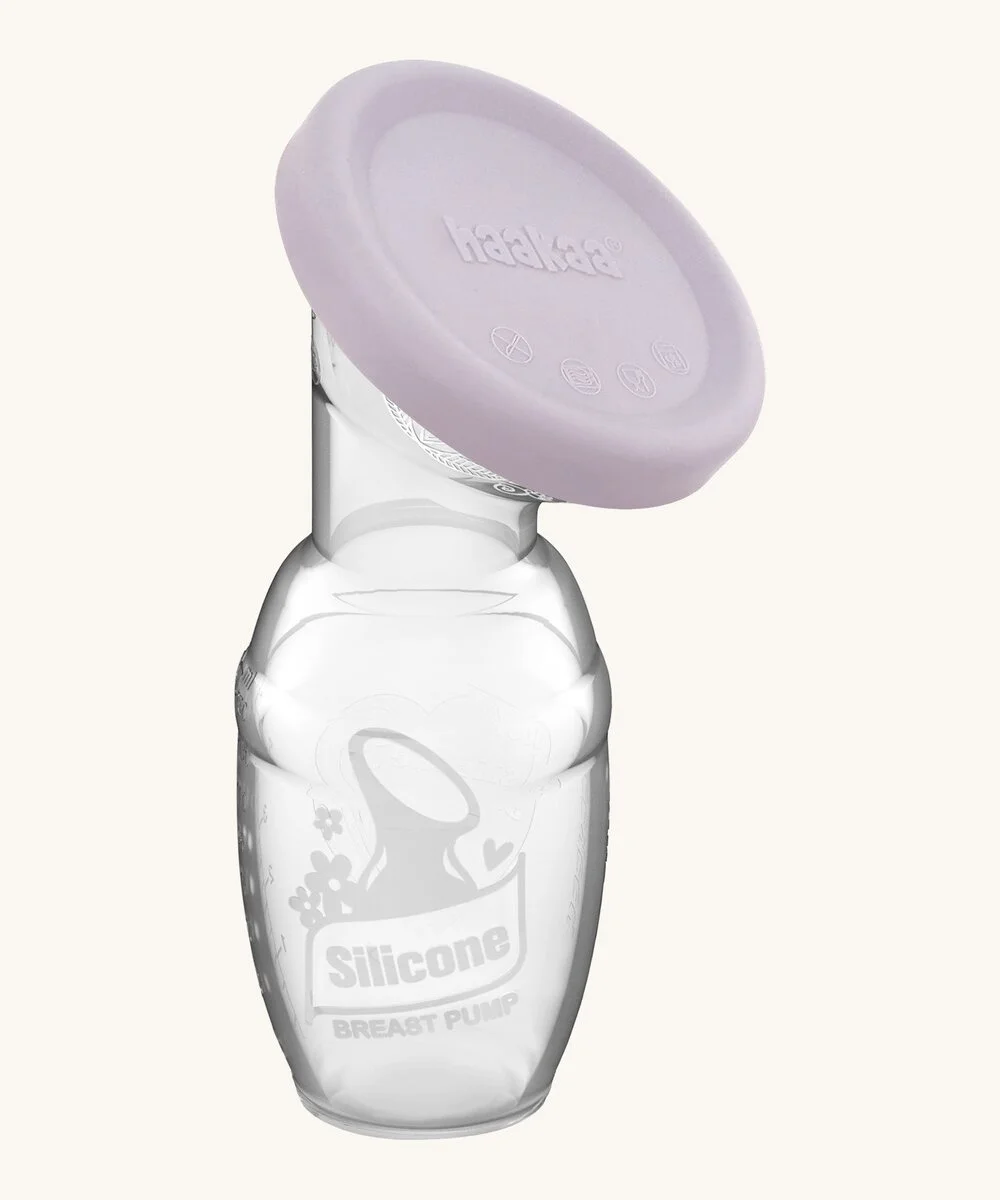 Shop the editBreastfeeding6 products, chosen for sore nipples
What about nipple shields?
Nipple shields were the most mentioned product in one thread we read, and they can be a lifeline. They're best used with support from a feeding specialist, though, as they can hide a latch problem and sometimes affect your supply.
When it's more than soreness
Whether you breastfeed for a day, a year or not at all, how you feed your baby is your decision. Getting good support early simply means you get to make that choice without pain making it for you.
Night feeds are easier when baby sleeps within arm's reach and a soft light means you don't have to switch on the big one.
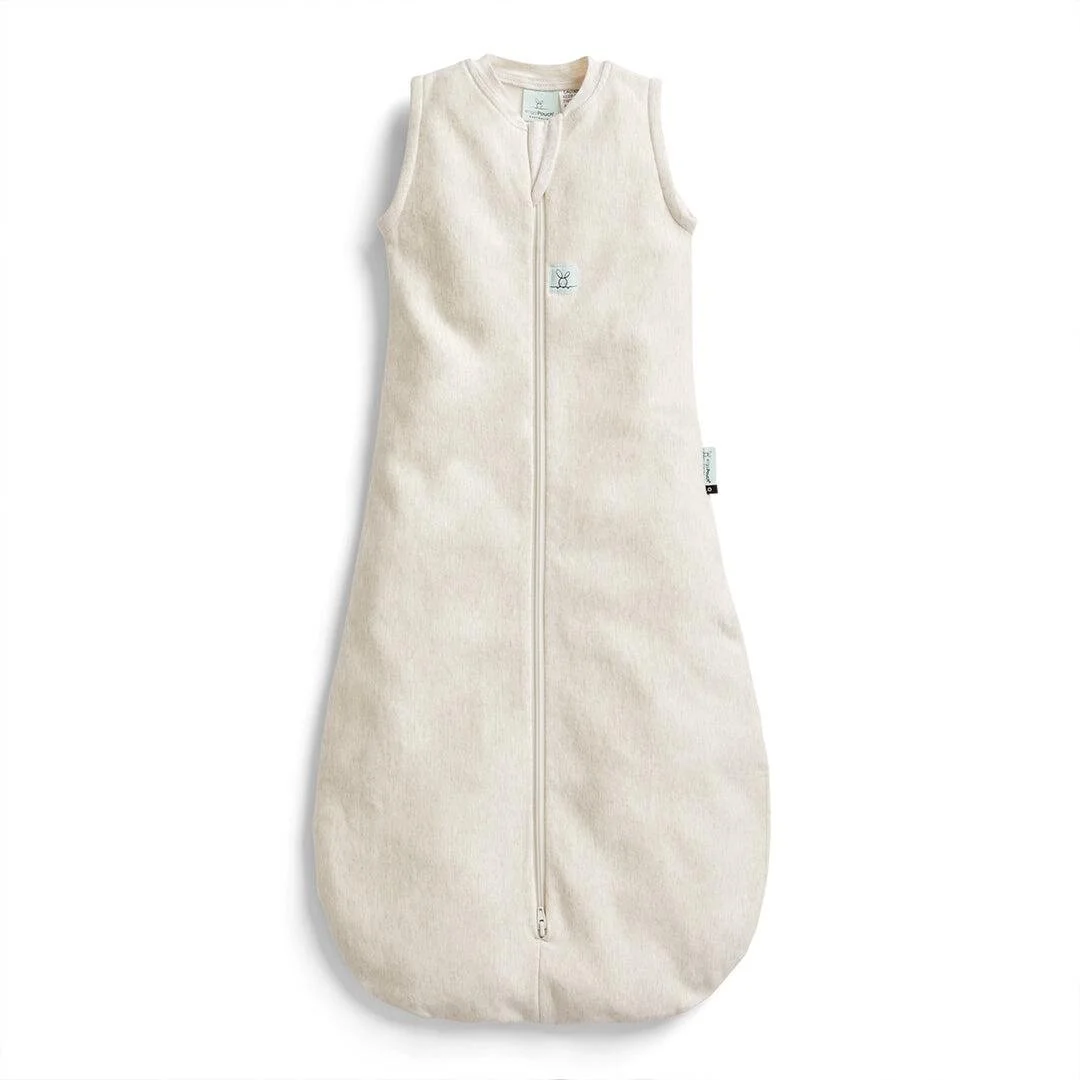
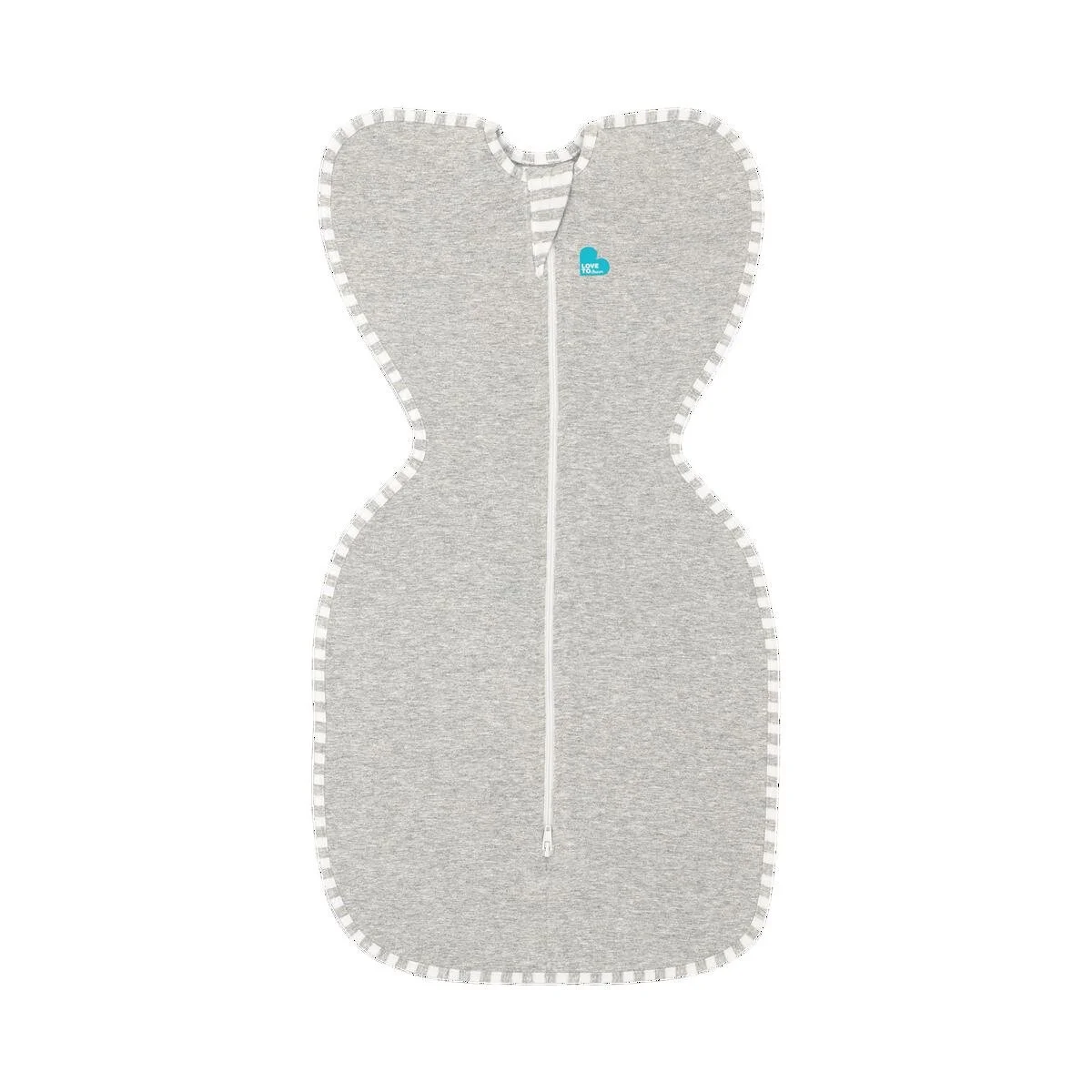
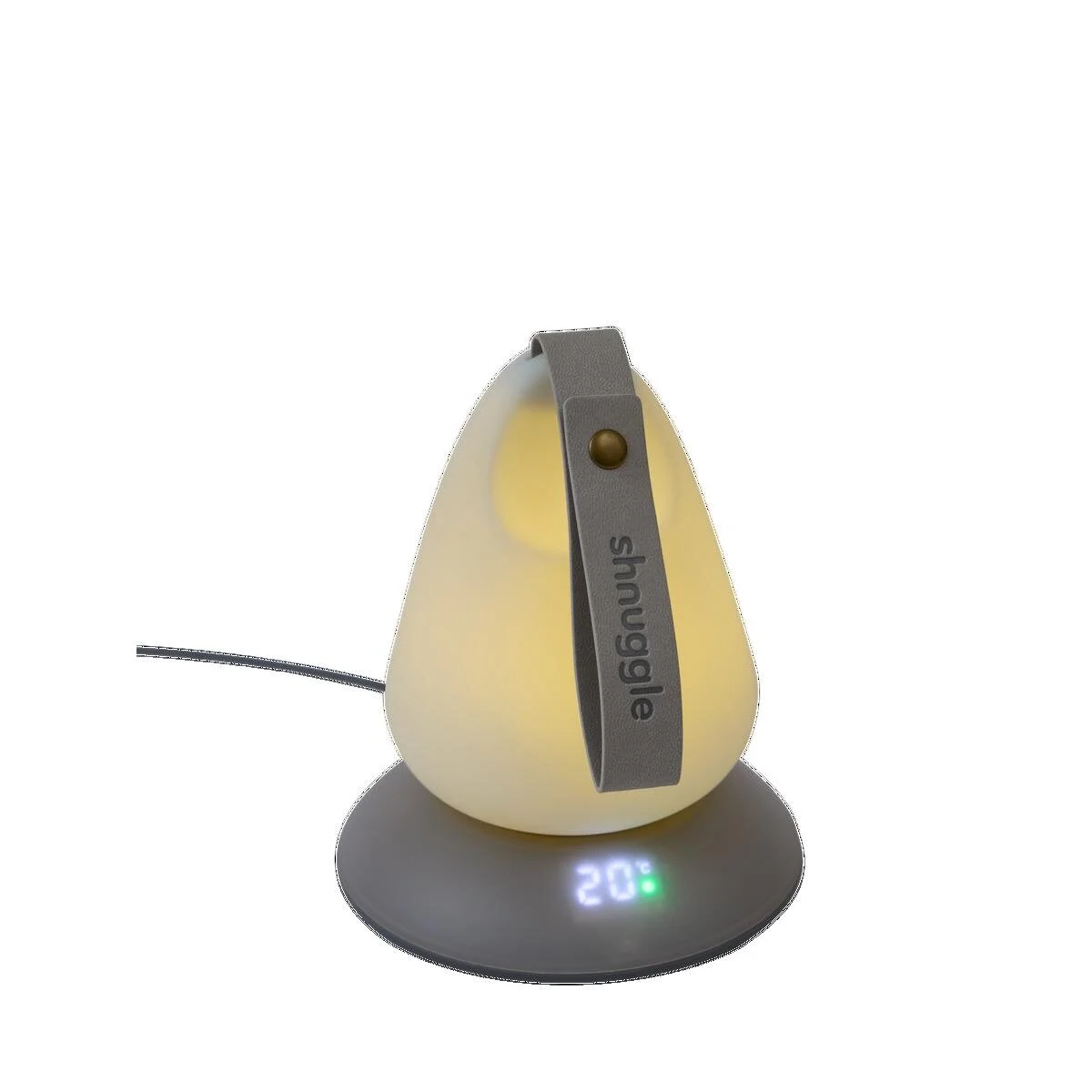 Shop the editNursery & newborn sleep6 products, chosen for newborn sleep, night wees, sleep